When I think back to 2013, when I was about to publish my first book, there are so many things I wish I knew. Thirteen years and 10 books later, here are the biggest lessons I’ve learned from writing and promoting all my work.
Like many writers, I have a story of my first book. I was 7 years old when I wrote it on looseleaf in a Trapper Keeper binder. The story was about a little girl who was kidnapped by a witch one night, but this witch wasn’t evil — in fact, the girl had a happier life with the witch than she had at home. She didn’t want to return, though she did because she knew her family missed her. No, I don’t have the story anymore. I wish I did.
As a woman in my mid-40s, I like to think that my younger self would be thrilled to learn that I now have written 10 published books (and an 11th due out in a few months). That’s not even counting the three completed novel drafts that aren’t published and an earlier cookbook that never made it past my hard drive.
Though, I must admit my younger self would be confused by how many of those books are cookbooks — I didn’t really cook until I was in my 20s and had a child.
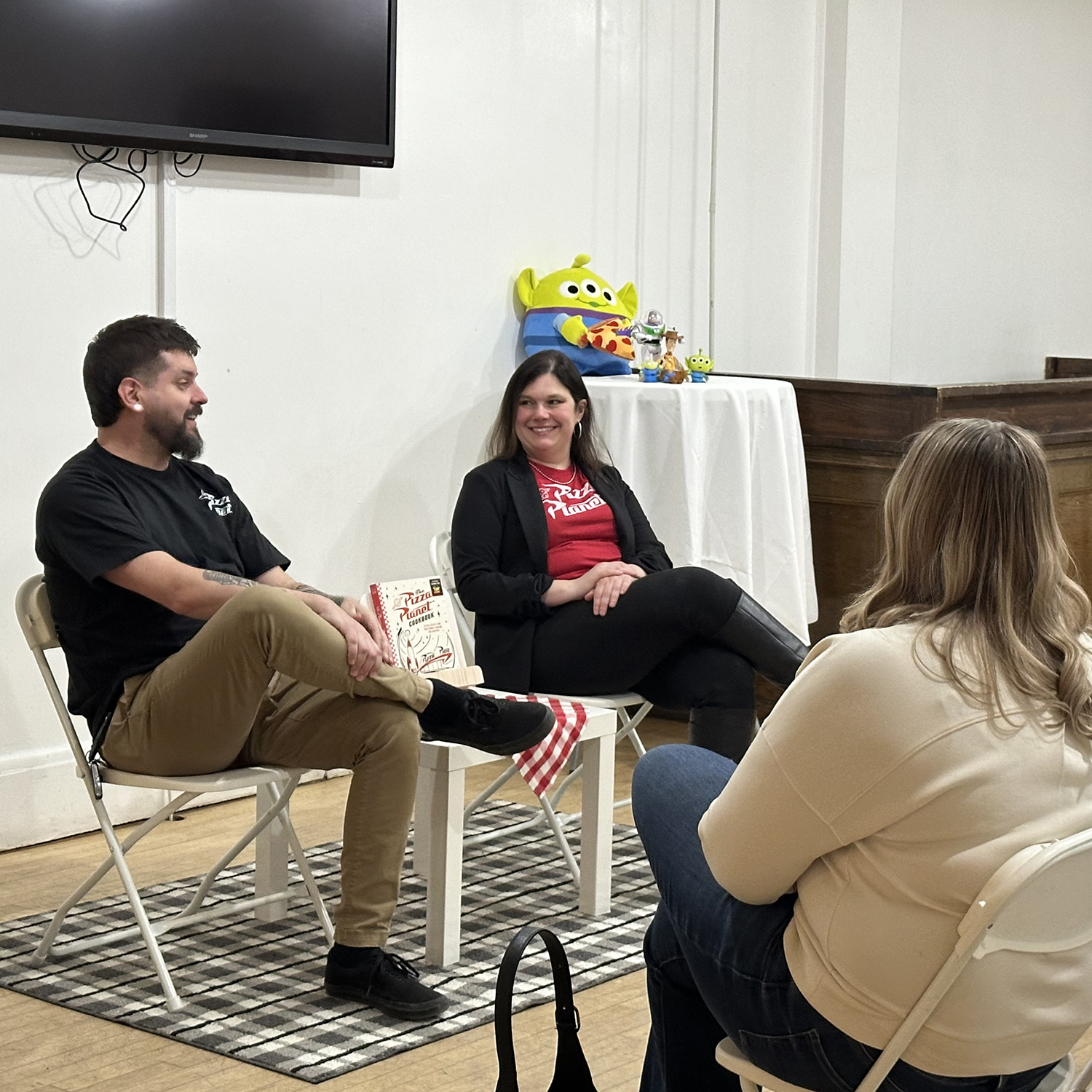
All of this is to say that since my first book was released in 2013, I have gathered so much knowledge and experience in publishing. From self-publishing that first book on blogging to work for hire contracts to one publisher who didn’t negotiate, it’s been an interesting journey. These days, I also work closely with a local bookstore, producing events to celebrate books and authors. So I’ve seen more of the marketing and promotion side of things as well.
These are some of my biggest author lessons from publishing 10 books, working on book events for so many others and my two decades in journalism.
It’s a Magical Feeling
This is the part that I hope never goes away: seeing your book in print, with your name on the cover is a magical feeling. There’s a tangibility to it that cannot be duplicated with digital writing or ebooks.
Every time one of my books is published, I am totally smitten. I dig through the pages with so much glee, amazed to see my words on the pages. But that magical feeling should be more than something to basque in. Writers should harness that excitement as they do interviews, create promotional materials and approach how they talk about their work. People get excited when you are.
Writing a Book is Really Hard Work
This feels a little obvious to say, but it’s important: A good book is never one draft and you’re done — the first draft is only the beginning of a process intended to hone and better your words. The writer reworks and tweaks the book. Then editors do. It’s key that the writer listen to editor feedback with an open mind, understanding that you have the same goal: to produce the best book possible. Take that feedback and use it to help you transform your early effort into something bigger and better. Editors can be so helpful in coaxing the best out of you.
*Note: On a rare occasion, you will come across an editor who edits for the sake of editing. That can be really tough. In one extreme case, when my recipes were being completely reworked without testing or discussion by an editor who thought she knew better, I requested a new editor. I didn’t want my name on a cookbook with recipes that wouldn’t work because someone else changed them. This isn’t something I take lightly, nor should you.
Books Never Feel Done
Remember that feeling of satisfaction when you printed out your college paper and handed it in? It was there, tangible, and ready for grading? Writing books is totally different. One of the hardest things is feeling like the work isn’t done or polished enough, but still having to turn in my chapters to my editor.
After 10 books, I can tell you that the writing and development never really feels done, per se. There’s always one more passage to reread, or — in the case of my cookbooks — one more instruction to polish a little more. But at some point, you have to let go and let the books out into the world. You cannot keep writing and rewriting forever.
For me, even though I could read and re-read and adjust copy all day, having layers of editing and proofreading after I submit chapters helps a lot. Though errors can still slip through, far less do.
Marketing A Book Is Really Hard Work
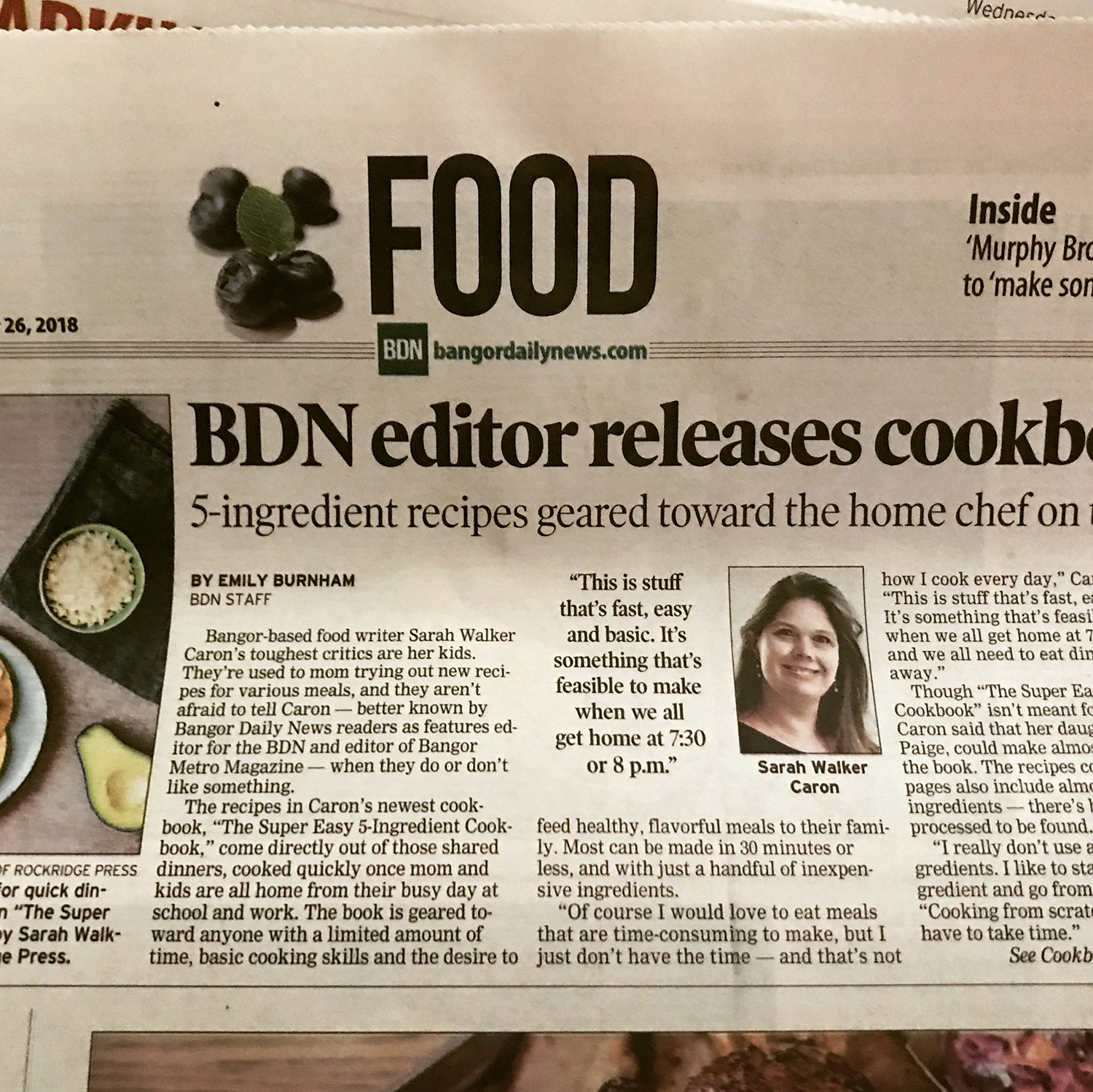
Writing the book is only part of the equation in publishing — and this is the thing I didn’t know before my first book came out. Back then, I thought I just needed to tell a few people about it and it would be a big seller. The work would speak for itself, and people would just start buying.
That is not how it works at all. A couple of social posts and a blog post is far from enough to get your book into the hands of readers. Over the years, I have worked with a variety of publishing companies that have different methods of spreading the word about upcoming book releases, but one lesson has stood out. Book promotion should begin early (pre-publication) and increase in frequency to boost interest in the book as it comes out.
Another important lesson I have learned is the importance of diversification. Online promotion — even now — doesn’t reach all audiences. So to maximize reach, you need to mix up the mediums and types of promotions. Interviews with publications online and in print are helpful too. So are in-person events.
You Will Probably Have to Set Up Your Own In-Person Events
Sometimes, bookstores and libraries will reach out requesting an event. When that happens, you should say yes and schedule a date as soon as feasible. This has been the biggest lesson to me because more often than not, events don’t just fall into your lap.
Setting up your own in-person events can be a little scary. You are asking for a bookstore or library to take a chance on you, and suggesting that you can bring an audience. You might even have to answer the question of “do you have audience here,” and when you do, it helps to have tangible information to share.
Importantly, be kind, considerate and respectful of those hosting your events. Show up on time. If the bookstore or library provides an arrival time, arrive then — not 30 minutes earlier. Remember that the store is hosting you, but you aren’t in charge. And did I mention to be kind?
You Have To Be A Partner in Your Book Promotion
Speaking of events, you need to be a partner in the promotion of them. That means sharing information about when and where the events are happening in every outreach format you have. Send the information in newsletters. Post it all over your social media. Do personal outreach to invite people you know to come.
Even if you don’t think you have a local audience, you can do this. Reach out to local media as well, but remember: you aren’t entitled to coverage. You can only pitch your story and see if they say yes.
All of this needs to happen in advance of the event. Plan to promote it heavily for at least two weeks leading up to the event. If you are pitching media, do so earlier than later. Pitching a story the day before the event is unlikely to generate coverage.
Promotion Doesn’t Stop at Publication
If I’m being really honest, I never thought about promotion of books. In fact, in all my dreaming about being an author, promoting my work was never part of that. But it’s a big part. You need that book to sell well so that your publisher and others want to publish more of your work (not to mention the financial perks of a well-selling book). So keep talking about your books long after publication. Write about them. Share them. It’s crucial, and should be ongoing.
And that, my friends, has been a big lesson for me.