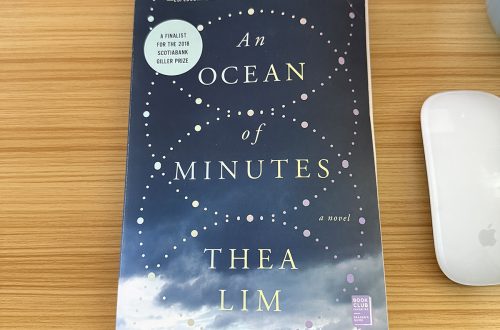
Across my hard drives, cloud drives and other storage, a familiar pattern emerges. It’s in these liminal spaces that I hold the first (and sometimes second, third and beyond) drafts of essays, novels, poems, stories and more. They rest patiently there, waiting to be called up again. Waiting to be edited and reedited and submitted again.
As I dig through this litany of history told one character and situation at a time, I am faced with harsh truths — some stories need something I can’t quite infuse. Some essays will never come together enough to be satisfying. Those are the ones that haunt me, unfinished but waiting.
Meanwhile, other stories and essays feel right every time. It’s those that I return to, tweaking and pitching, in hopes that tomorrow will bring the future for my words.
The revision cycle is proof that when something matters enough you return to it.
Writers have to be comfortable with so many discomforting things: patience, rejection, exposure and, of course, waiting.
Stephen King’s novel Carrie was rejected 30 times before Doubleday picked it up. Meanwhile Kathryn Stockett’s The Help was rejected by 60 agents before lucky number 61 agreed to represent it. So many authors racked up rejection after rejection before finally finding the person and the publisher willing to put their work into print.
Likewise for personal essayists, journalists, and freelance writers — rejection comes with the territory. When I was an editor, my writers weren’t guaranteed that a pitch would become an assignment. One reminds me all the time how I would ask her to justify how off the wall pitches fit within her beat. If she could make a compelling argument, I would often say yes. If not, it was a no. I remember this whenever I pitch stories.
As a writer now, I am still racking up rejections. And I am proud of that. If you aren’t getting rejected, you aren’t trying. So while acceptances are preferred, rejections mean I am still at it, waiting.
A writing life means finding comfort in the waiting, and using it to propel you forward. The writing process is a constant cycle with stories and essays living in drafts, sometimes abandoned, sometimes completed. There’s an uncertainty to it all as you fight to a satisfying ending and then find the right people and publications for your words.
Abandoning drafts doesn’t always mean discarding them or deleting. It means leaving them in that liminal space, waiting for awhile. All of these words matter, but sometimes the time isn’t right. Sometimes you just need more time to find the right edited words to make them ready. But some, some will just live there in the waiting space.
As I write this, I am reminded of all the stories that remain unshared, the novels that exist only in digital files and the book ideas that linger, incomplete and unpitched. And I am reminded that I will return to them all, again and again, seeking that something that makes them worth sharing.
If you’re a writer waiting, be patient. Waiting isn’t always a bad thing. And patience makes those acceptances all the more sweet.